Goalkeeping News
A major law change is reshaping the position. Here's what the new eight-second rule means for goalkeepers, coaches, and young players.
A real change is coming for goalkeepers, and it is not a small one.
For years, everyone in the game knew goalkeepers were technically supposed to release the ball quickly. In reality, that older six-second guideline was rarely enforced. Many keepers learned to slow the tempo, buy a breather for the team, or manage a match by holding possession a little longer than the law suggested. That gray area is getting smaller now.
In March 2025, IFAB approved a law change for the 2025/26 cycle: if a goalkeeper controls the ball with the hands or arms for more than eight seconds, the punishment is now a corner kick to the opposition. Referees are also expected to give a visible five-second countdown with a raised hand. In other words, the game is making this moment public, countable, and much harder to ignore.
That matters because this is not just a rule for elite football. It changes behavior all the way down the pyramid. Youth goalkeepers, club coaches, and private trainers should all be preparing for it now.
A lot of players will hear "eight-second rule" and assume it is just about time-wasting. It is, in part. But the deeper impact is tactical.
The modern goalkeeper is no longer just a shot-stopper who occasionally punts long. The keeper is now part of the rhythm of the team. When the ball is in the goalkeeper's hands, that moment can launch a counterattack, relieve pressure, or organize the next phase. With the new law, the decision window is tighter. Hold the ball too long and you are not just wasting time — you are gifting a set-piece-like moment to the opponent.
That means the best goalkeepers will separate themselves with speed of thought. Can you scan early? Can you recognize whether the game needs a throw, a quick roll, a clipped pass, or a longer reset? Can you communicate with your back line before you even catch the ball?
The goalkeepers who struggle with this rule will usually not be the least athletic. They will be the least prepared.
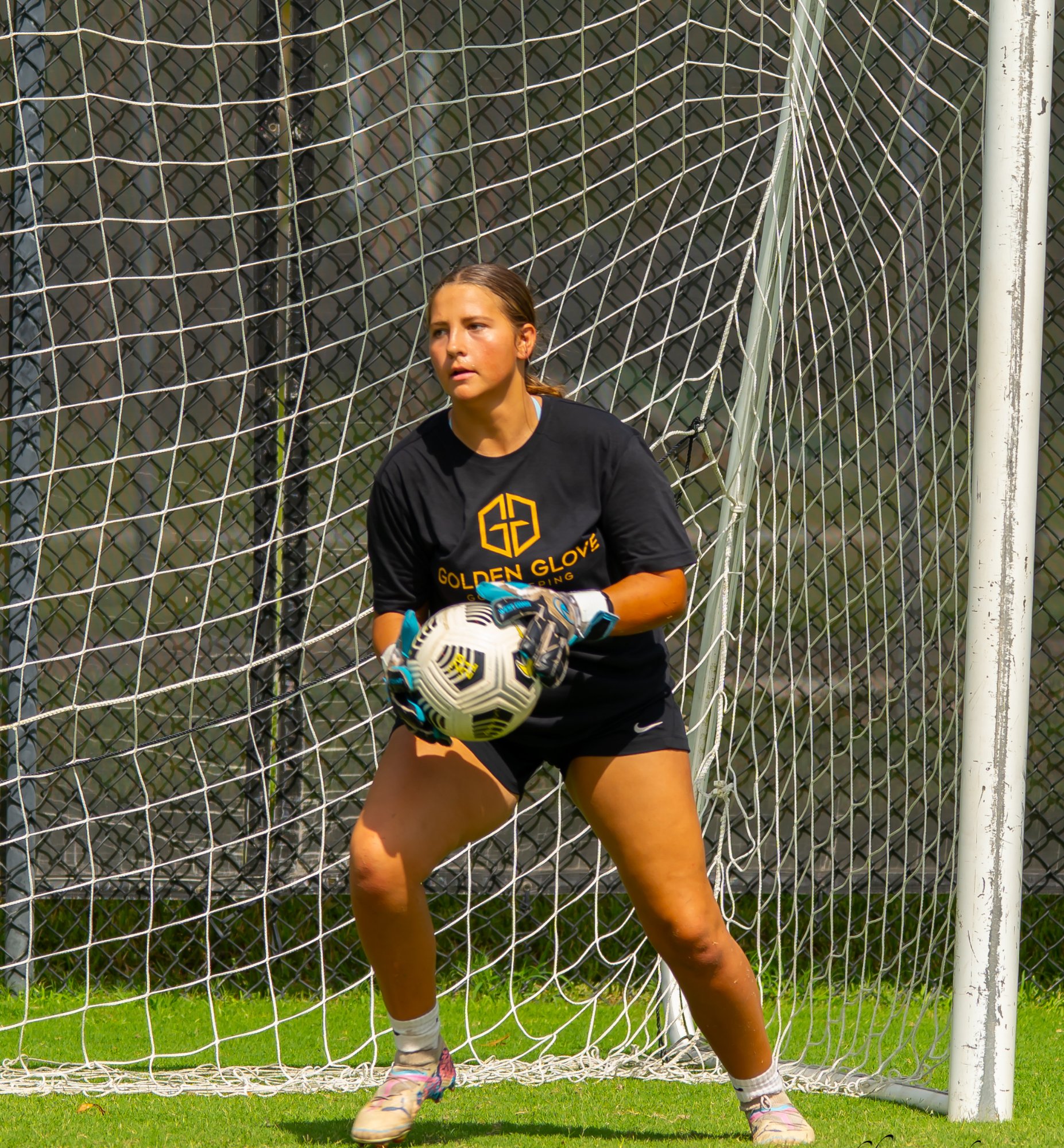
The first adjustment is mental: start treating every clean catch or smother as the beginning of an attack, not the end of a save.
That sounds simple, but it changes habits. Instead of lying on the ball, looking around casually, and waiting for the field to reveal itself, goalkeepers should be scanning before they collect. Before the save is even completed, there should already be a picture forming in the mind.
The second adjustment is communication. Defenders need cues. If a goalkeeper wants to distribute inside the new time limit without panic, teammates must know the exit routes. That means rehearsed vocabulary, quick hand signals, and repeated patterns in training.
The third adjustment is technique under urgency. Can you secure the ball, rise efficiently, and get into a balanced release shape fast? These details are exactly where matches swing.
Put an actual clock on the rep. Let the goalkeeper make a save or collect a cross, then have a coach count aloud or use a visible countdown. Add movement ahead of the save so the goalkeeper is not making decisions fresh and relaxed. Make the rep messy. Demand a real picture. Reward the right choice, not only the cleanest technique.
This rule also creates a great bridge between goalkeeper training and team training. The goalkeeper's decision is only as good as the team's spacing.
Yes, the new rule can punish hesitation. But it can also reward proactive keepers. Goalkeepers who think quickly and release cleanly can now dictate more of the game. They can restart before the opponent organizes. They can turn a routine gather into an advantage.
At Golden Glove, that is the lens we would use: not fear of the punishment, but ownership of the moment. The law is changing. Smart goalkeepers should change first.
Private sessions and evaluations in Central Florida, led by Coach Gorrick.